The world of work is evolving rapidly, and more and more generations now interact within the same environment — often with very different approaches.
If the “permanent job” was once the shared aspiration, today the arrival of younger generations forces companies to manage a variety of needs and expectations never seen before.
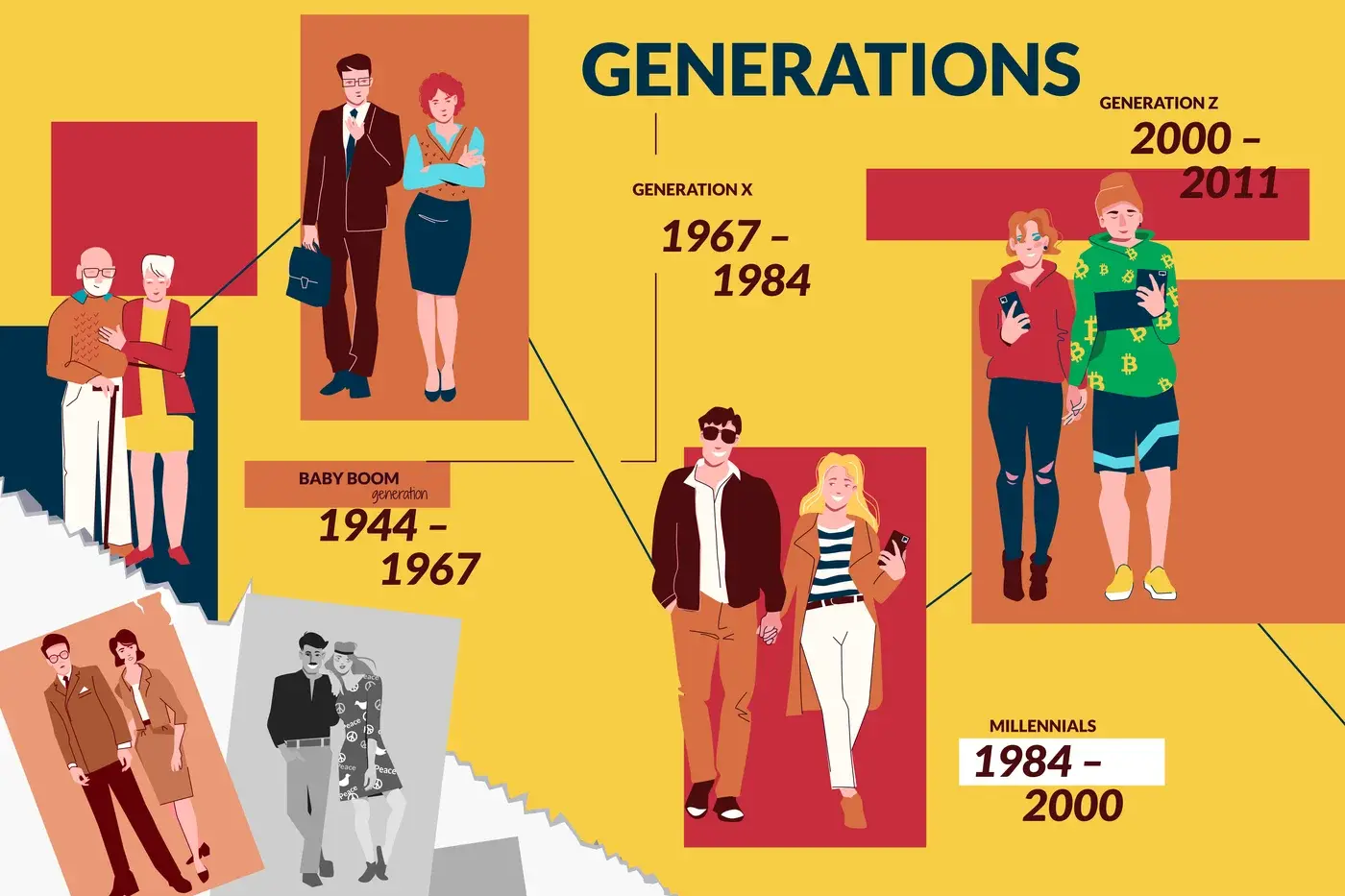
Baby Boomers, Generation X, Millennials, Generation Z, and soon Generation Alpha share the workplace, each with its own vision of what work should provide and what role it should play in life.
What is changing — and can a strong corporate welfare strategy truly meet everyone’s expectations?
Today’s generations at work: who are they and how do they differ?
The main generations currently shaping the Italian labor market are:
Their expectations around work are increasingly diverse.
Each generation carries its own experiences and values — but the common denominator is a growing need for work–life balance and workplaces that align with personal values.
Let’s explore their perspectives in detail.
What did we expect — and what do we expect — from work today?
Baby Boomers
For Baby Boomers, work has always been a pillar of identity.
A stable, long-lasting job — often with one employer — symbolized success.
Today, they still seek long-term security and financial stability.
According to Feltrinelli Education, nearly 40% of them do not plan to change careers.
Generation X
Born during the shift from industrial to digital economies, they are pragmatic and value independence.
They aim for quality of life without sacrificing autonomy.
Despite a strong work ethic, they are not willing to give up their personal life.
A Deloitte study shows 58% prioritize a good work–life balance.
Millennials (Gen Y)
Millennials believe work should provide personal fulfillment, not just income.
They seek alignment with values such as sustainability, ethics, diversity, inclusion, and continuous growth.
More than 70% look for companies investing in culture, well-being, and meaningful work experiences.
Generation Z
Digital natives with a very different outlook.
They seek:
They are more likely to change jobs if the environment does not match their expectations.
64% prefer companies promoting authenticity and psychological well-being (Deloitte Global Millennial Survey).
Generation Alpha
Not yet in the workforce but raised deeply immersed in technology and AI.
Expectations include:
-
Innovation
-
Customization
-
Careers aligned with passions
-
A seamless integration of work, life, and digital experiences
Approach to work and role in life: differences and contrasts
-
Baby Boomers: work at the center of life; long hours; high dedication
-
Generation X: work matters, but is only one part of life
-
Millennials: seek meaningful jobs aligned with values and personal growth
-
Generation Z: prioritize flexibility, mental well-being, and hybrid/remote work
-
Generation Alpha (expected): tech-driven careers blending purpose and well-being
These differences often coexist in the workplace, creating misalignments, conflicts, and generational gaps.
The real question becomes:
How can companies meet expectations that are so diverse?
Corporate Welfare as a customizable tool for all generations
Corporate Welfare is a key tool to bridge generational differences — especially thanks to its growing degree of personalization.
Effective welfare requires:
A single welfare model can’t work for everyone.
Diversified, tailored solutions are essential to promote cohesion and well-being.
Welfare for Baby Boomers and Generation X
For more experienced employees, companies can prioritize:
-
Pension plans
-
Advanced healthcare programs
-
Tech and soft-skill upskilling
-
Caregiver support (critical for Gen X)
-
Flexible working hours
Welfare for Millennials and Generation Z
These generations value:
Another essential factor:
the freedom to choose among different welfare options, given the wide variety of individual and family situations.
Welfare for Generation Alpha
Future workers will expect:
-
Advanced technological development
-
Evolved work–life integration
-
Highly personalized career paths
-
Inclusivity and innovation as standard
How to fight ageism and the generation gap
Ageism affects both older and younger workers.
Over 30% of workers over 50 feel excluded from development opportunities.
Meanwhile, younger employees are still too often labeled “inexperienced.”
Companies can address this by:
-
Implementing inclusive policies
-
Encouraging mutual mentoring
-
Creating intergenerational training programs
-
Designing welfare solutions aligned with D&I goals
The aim: a workplace where everyone feels valued.
The intergenerational future of organizations
Companies that meet diverse generational needs with flexible, inclusive, customizable welfare will be:
-
more competitive
-
more attractive
-
more stable
-
more harmonious
Customizable corporate welfare is now a strategic asset for engagement, retention, and organizational wellbeing.
Generational integration is no longer just necessary — it is a key resource for future success.